Key takeaways:
- Potholes are ubiquitous and can cause many problems for drivers and pedestrians.
- Infrared asphalt patching is a type of hot mix asphalt patch that uses infrared technology to reheat existing pavement so that new hot mix asphalt can be added more easily without removing the damaged surface layer.
- The infrared process removes the seams, resulting in a much stronger and longer-lasting repair than traditional cold or hot mix methods.
- This method of asphalt restoration is less expensive since it requires fewer raw ingredients. Infrared repair is also faster than other types of repairs since it requires less time to patch.
We've all seen it before. You're driving down the road calmly when suddenly—THUD!—you hit a pothole. Or, maybe you're walking down the street and see someone driving too fast and recklessly swerving to avoid a pothole, only to hit another one a few feet away. Potholes are ubiquitous and can cause many problems for drivers and pedestrians alike. So, what's the best way to fix them? Well, there is a new technology called infrared that is said to be a quick and easy way for asphalt patching to repair potholes. But does it work? Let's take a closer look.
Asphalt Patching 101
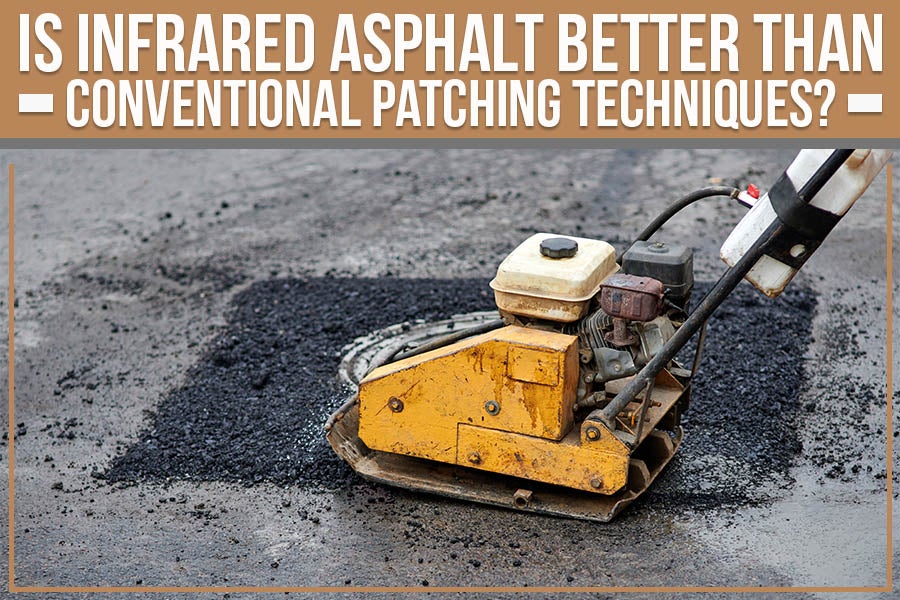
Patching is filling in holes or cracks in your asphalt surface. There are two main types of patching: cold patching and hot mix patching. Cold patching is a quick and easy way to fix surface defects. It involves using pre-mixed asphalt to fill in the holes or cracks. Cold patching is best for small defects or when you're in a hurry.
In contrast, hot mix asphalt patching requires combining dry aggregate with an emulsified mixture before being placed onto the pothole or crack and then compacted with a heavy roller. Hot mix asphalt generally provides a stronger, more durable repair than a cold patch. Still, both methods can be used depending on the size and depth of the pothole and other factors such as temperature and time constraints.
Infrared Asphalt Patching - The Next Level
It uses infrared technology to reheat existing pavement so that new hot mix asphalt can be added without removing the damaged surface layer. This method produces a seamless repair that bonds the old surface with the new hot mix layer. That results in a much stronger and longer-lasting repair than traditional cold or hot mix methods.
Can I Use an Infrared Asphalt Patch To Repair Potholes?
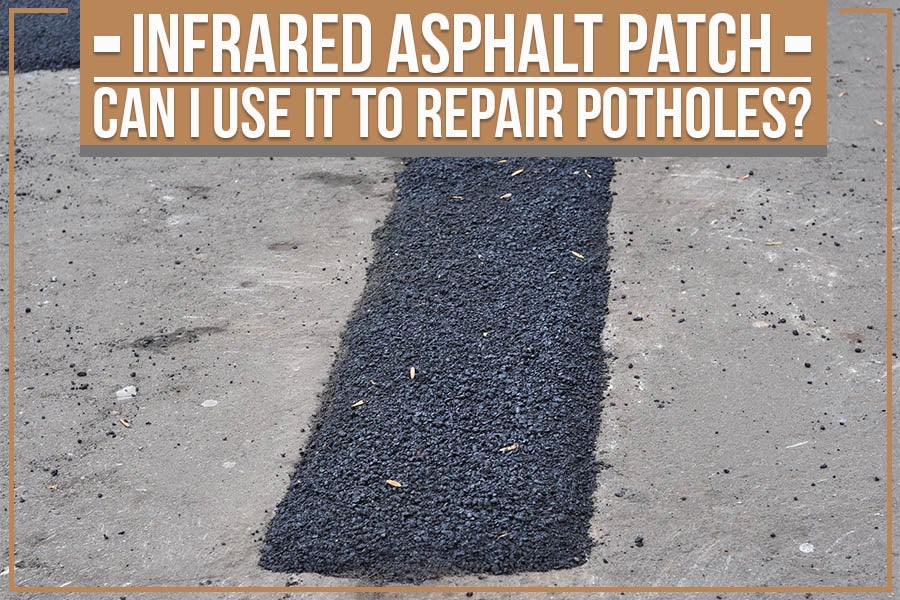
Yes, you can use an infrared asphalt patch to repair potholes. Innovative equipment uses infrared heat to soften the asphalt surface in potholes so that it may be worked with in temperatures as low as zero degrees. The basic idea is to employ an infrared heating device to safely soften in-place asphalt to a usable state, then add fresh asphalt that melts smoothly to the old.
It is unlike the traditional saw-cut approach, which involves cutting off a square of damaged asphalt, removing it, and replacing it with fresh asphalt. The infrared process removes the seams that quickly deteriorate such patches. Thus, the feathered connecting of the new patch material to the surrounding pavement provides a significant benefit - no seams and water infiltration.
Rainfall can seep through saw-cut seams, causing moisture and freeze/thaw damage to the patch. Every year, several of these patches must be replaced. On the other hand, Infrared-patched potholes have been known to last up to 5 times longer than potholes repaired with traditional methods!
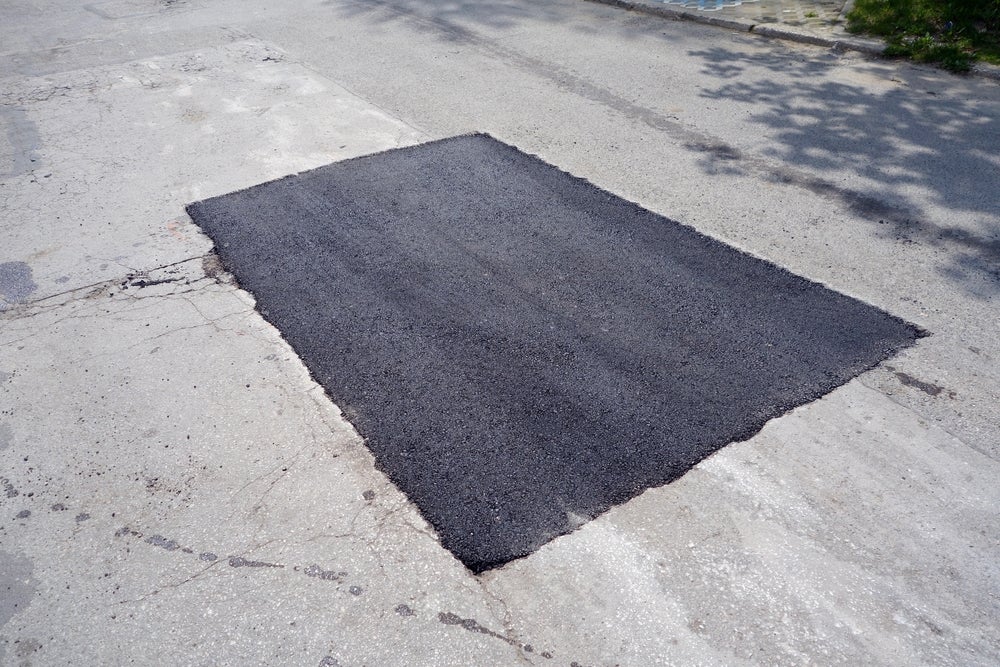
A Step-By-Step Process for Pothole Repair Using an Infrared Asphalt Patch:
- First, the pothole is cleaned out (this step is critical – if it's not done right, the patch won't adhere properly and will quickly fail).
- Next, position the infrared machine on the repairing pothole for seven to ten minutes.
- Turn off the heater and rake the softened (350°F) asphalt.
- Incorporate a rejuvenator to replace light oils that have oxidized.
- Add a tiny bit of new asphalt and level it with a lute.
- Compact and bond the repair with the surrounding pavement using a vibratory roller. Within 20 minutes, the patched section is ready for traffic (depending on size).
Paving contractors choose infrared asphalt repair for patching and interim repairs to existing asphalt. It's especially beneficial for repairing asphalt pavement damaged by drainage concerns. Drainage difficulties can cause dips and pools of water on paved surfaces, which infrared asphalt repair may correct. It's also helpful in placing different asphalt characteristics like speed bumps and rumble strips. Although it cannot be employed in every application, it offers significant advantages as a solution in specific situations.
What Is the Cost of Infrared Patching?
The infrared asphalt repair process is considerably more cost-effective than other traditional methods. When factoring in the time and money saved by not having to close off sections of a parking lot or roadway and the materials used, infrared asphalt repair is the superior choice. This technique can also be completed in a shorter time frame than other methods, which reduces traffic congestion and disruptions to businesses.
Here Are A Few Things to Consider When Selecting Infrared Patching:
- It should not be used on large networks of alligator, block, or fatigue cracks.
- It is simply a temporary solution to paving concerns; after a certain time, any asphalt will deteriorate and require thorough replacement.
- It will not fix exposed potholes, which necessitate the removal of the surface surrounding the hole.
- It will not restore asphalt surfaces that have been sealed with specific compounds, such as coal tar.
- It is not advised to repair cracked asphalt. Because infrared asphalt restoration is currently a surface-only treatment, it may wreak havoc on deteriorated sub-surfaces.
- It is unsuitable for oxidized or raveled asphalt surfaces since the new asphalt will not adhere to the old structure.
Ending Note:
While some disadvantages are associated with infrared patching, this method is generally less disruptive. It requires no new material and can be completed more quickly. Additionally, this method can be used in almost any weather conditions—a major advantage over traditional patching methods, which can only be performed during dry weather.
If you decide to go with infrared asphalt patching, hire a professional contractor with experience with this type of repair.
Affordable Sealing & Striping, Inc can help! We provide excellent infrared asphalt repair services in Laramie, WY. We employ this technology to fix all potholes and other pavement hazards that endanger cars and pedestrians.