Key Takeaways:
- Concrete paving adds curb appeal and increases the value of your home.
- If your pavement is smooth and there are no cracks or signs of discoloration, it's better to repair than replace it.
- Replacing your pavement can be a big job, but doing it right the first time is essential, so you don't have to do it again anytime soon.
- An uneven concrete surface can cause water to pool in certain areas, leading to mold and mildew growth.
- Even though repairing or replacing your concrete paving can be expensive, it's important to get it done if there is significant damage.
There are many reasons to keep your pavement in good condition. Not only does it improve the curb appeal of your home, but it can also add value to your property. However, concrete paving can be expensive to install, so you may be tempted to cut corners by using cheaper material which may cost you more money in the long run.
Concrete pavement is built to last, and with proper care, it can easily outlast other paving materials. For someone who's looking for a cost-effective way to improve their home's appearance, concrete is the way to go.
When To Repair Your Pavement?
If you have concrete pavement that is still in good condition, there is no need to replace it. Repairing your pavement can save you a lot of money in the long run.
Here are five signs that indicate your pavement doesn't need to be replaced:
- The surface is still smooth and even.
- The color is still consistent and vibrant.
- The surface doesn't have any cracks or chips.
- The pavement is still level and hasn't sunken in any areas.
- The edges are still straight, and there is no sign of deterioration.
When To Replace Concrete Pavement?
Here are five signs that indicate your pavement needs to be replaced:
- The surface is no longer smooth and even.
- The color has faded and is no longer consistent.
- The pavement has sunken in certain areas.
- The edges are no longer straight, and there is visible deterioration.
Simple and Effective Maintenance Techniques
- First, you need to clean the pavement. Use a pressure washer to remove any dirt, dust, or debris from the surface.
- Next, you'll need to repair any cracks or chips in the pavement. You can do this by filling the cracks with a sealant or patching them with new concrete.
- Once the cracks are repaired, you'll need to seal the pavement.
- Finally, you'll need to clean the pavement again. This time, use a cleaner designed for sealed concrete.
What's The Process of Replacing a Concrete Pavement?
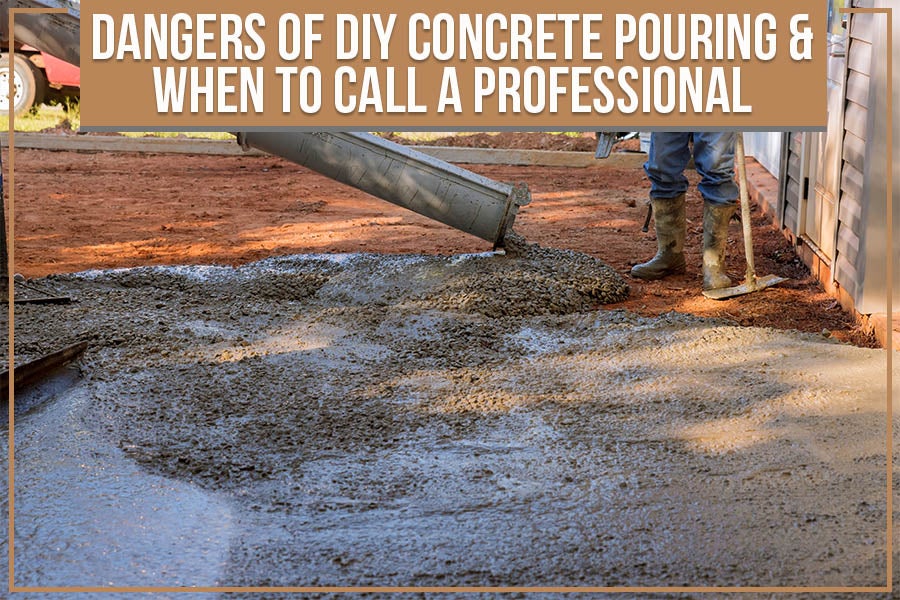
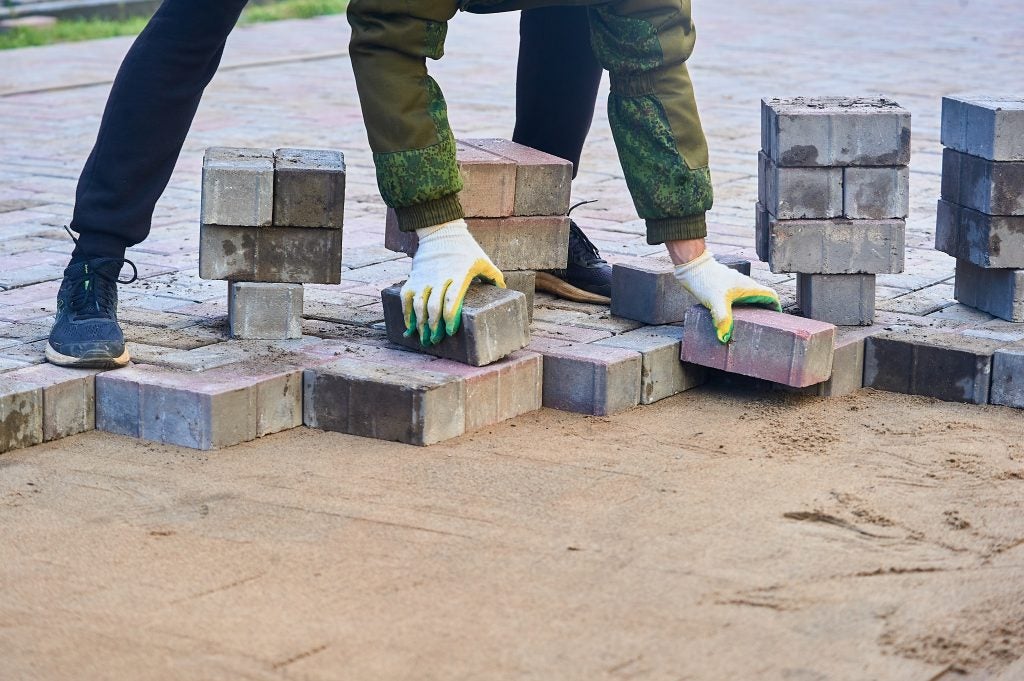
- First, you need to remove the old pavement. You can do this yourself with a jackhammer or hire a professional to do it for you.
- Next, you'll need to prepare the area, which includes leveling the ground and compacting it.
- Once the area is prepared, you can install the new pavement. Make sure to smooth it out so that it's level and even.
- Finally, you'll need to seal the concrete pavement to protect it from weather damage and wear and tear.
- Clean the new pavement with a cleaner designed for sealed concrete.
Related: An in-depth look at concrete pavement repair and replacement.
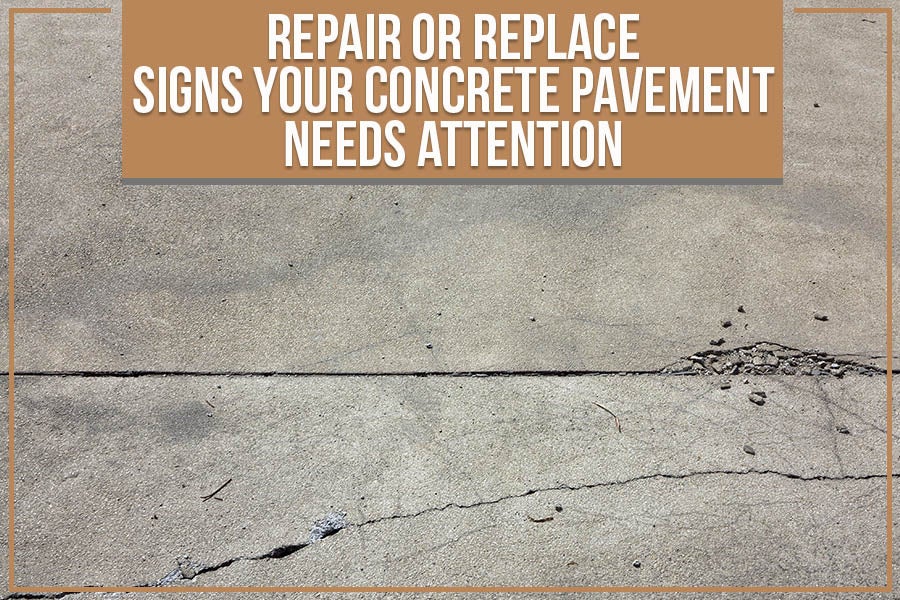
Signs That Your Concrete Pavement Needs Attention
1. Cracks And Holes
Cracks and holes are usually the first sign that your pavement needs attention. They can be caused by weather damage, wear and tear, or poor installation.
2. Uneven Surface
If your pavement is uneven, it can be dangerous to walk on. It can also cause water to pool in certain areas, leading to mold and mildew growth.
3. Deterioration Around the Edges
If the edges of your pavement are deteriorating, it's a sign that the whole surface is at risk. Weather damage, wear and tear, or poor installation can be caused by weather damage.
4. Cracks In the Foundation
If you see cracks in the foundation of your pavement, it's a severe issue. This means that the structure of your pavement is at risk. Cracks can be caused by weather damage, wear and tear, or poor installation.
5. Discoloration
Discoloration can be caused by dirt, oil, and other stains. It can also be a sign of weathering or damage.
6. Sunken Areas
Sunken areas can be caused by water damage or poor installation. They can also be a sign of settling or shifting soil.
7. General Wear and Tear
If you notice these signs, it's time to take action on your pavement. You can either retain it or replace it. If you're not sure what
8. Pitting and Spalling
Pitting and spalling are caused by weathering, wear and tear, and poor installation. They can also be a sign of damage from salt or chemicals.
If you notice any of these signs, you can either repair the damage or replace the entire pavement. The cost will depend on the severity of the damage.
Related: Signs it’s time to replace your concrete driveway
The Cost of Repairing or Replacing the Pavement
The cost of repairing or replacing the pavement can vary depending on the severity of the damage. For example, if you only need to repair a small section of the pavement, the cost will be much less than if you need to replace an entire driveway.
The average cost ranges from $3 to $8 per square foot, while the cost of replacing concrete may go up to $18 per square foot, depending on the quality of the material.
Conclusion
If your pavement requires attention, it's essential to act quickly. The longer you wait, the worse the damage will become. Not to mention, the cost of repairs or replacement will only go up the longer you wait.
In most cases, it's best to replace the concrete rather than try to repair it.
At Affordable Sealing & Striping Inc, we specialize in restoring driveways and other concrete surfaces to their former glory. We can replace damaged concrete sections and provide a fresh coat of sealant to help protect against future wear and tear. Whether your concrete driveway needs a minor repair or a complete overhaul, we're here to help.