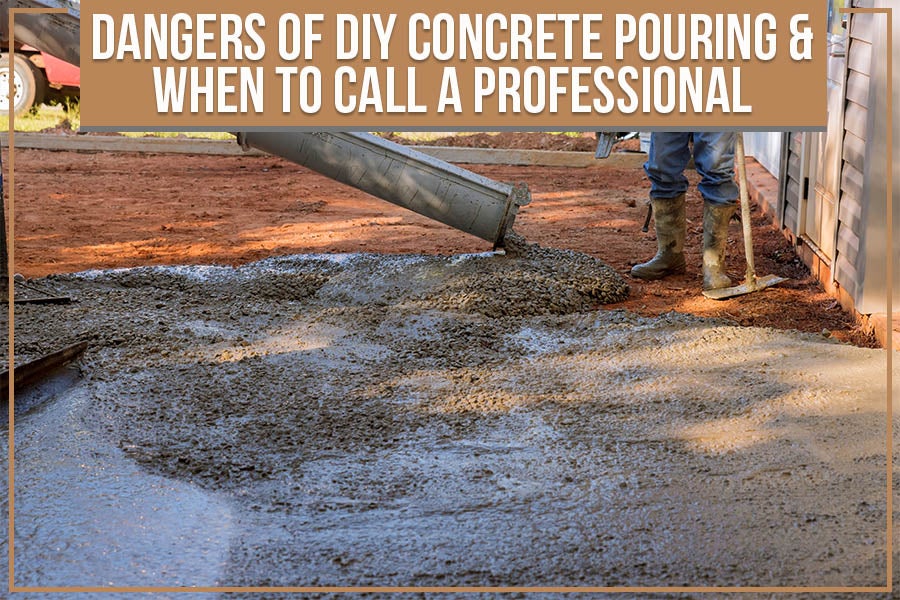
Key Takeaways 1. Concrete is an excellent material for many projects. Still, it's essential to be aware of the risks involved in using it. 2. DIY concrete can be dangerous. 3. Mixing, pouring, and working with concrete is a risky exercise. 4. You might lack the proper skills, tools, or experience. 5. If you're not comfortable taking on a concrete project, it's best to call a professional. 6. They can help you avoid mistakes and ensure that your project turns out perfectly. We've all been there. We see a job that needs to be done and decide to take it on ourselves rather than hire a professional. Maybe we're trying to save money or think we can do it better. But in many cases, DIY projects can cost you more time and money than if you had just hired a professional in the first place. The same can be said about concrete pouring! There's no doubt that concrete is a strong and durable material. It can create a smooth and long-lasting surface for your driveway or parking lot when it's poured correctly. Some people might think they can do it themselves when it comes to this job. After all, how hard could it be? However, DIY concrete pouring can be very dangerous if not done correctly. If you’re not experienced, it's best to call a professional. Affordable Sealing & Striping, Inc discusses some of its pitfalls in this article. The Risks of DIY Concrete Pouring Risk #1: Not Mixing the Concrete Correctly One of the biggest dangers of DIY concrete pouring is not mixing the concrete correctly. The water-to-cement ratio has to be just right for the concrete to set correctly. If there's too much water, the concrete will be too runny and not set correctly. On the other hand, the concrete will be too dry and not set if there's insufficient water. A professional concrete company will have the experience and knowledge to mix the concrete correctly, so you don't have to worry about it. Risk #2: Incorrectly Pouring the Concrete Another big risk of DIY concrete pouring is incorrect pouring. If you don't pour the concrete evenly, it can create weak spots, eventually leading to cracks. Not only are cracks in sidewalks and driveways unsightly, but they can also cause trip hazards. You don't want that on your real estate property. A professional pavement contractor will have the experience and equipment to pour the concrete evenly, so you don't need to worry about weak spots or cracks. Risk #3: Not Allowing the Concrete to Cure Properly Concrete curing is another risk to going DIY. Curing is an important step because it helps the concrete set evenly and prevents cracks. Excessive or insufficient curing can both lead to problems. If you don't allow the concrete to cure properly, it can shrink unevenly and develop cracks. On the other hand, if you over-cure the concrete, it can become too hard and difficult to work with. Either way, it's best to leave this step to the professionals who know how to allow the concrete to cure correctly. Risk #4: Not Considering the Weather Conditions The weather is another factor to consider. If you pour concrete in hot weather, it can cause the concrete to set too quickly. Pouring it in cold weather can cause it to take longer to set. A professional pavement contractor knows what precautions to consider for every weather condition. Risk #5: Not Using the Right Tools You can't expect such a project to go smoothly if you don't have the right tools. Simple concrete pouring requires a few tools, but if you want a professional finish, you'll need several specialized tools. You can't just have the right tools - you need to know how to use them correctly. The best way to get quality work is by hiring a professional. Risk #6: Not Cleaning Up Properly Concreting is a messy job; if you're not careful, it can get everywhere. Not only is concrete challenging to clean up, but it can also be dangerous. If you get concrete on your skin, it can cause burns. Such a project requires taking proper safety precautions and wearing suitable clothing. If you're not comfortable getting dirty, it's best to leave this job to the professionals. Risk #7: Not Following Instructions Concrete is a very finicky material. When working with concrete for the first time, it is advisable that you stick to the directions. Otherwise, a small error could lead to big problems down the road. If you're unsure how to work with concrete, leaving the job to an experienced professional is always the best bet. Also Read: Repair or Replace: Signs Your Concrete Pavement Needs Attention When to Call a Professional Concrete is an excellent material for many projects. Still, it's important to be aware of the risks involved in using it. If you're debating on whether or not you should take on a concrete project, weigh the pros and cons. If you have doubts about your abilities, it's always best to consult with or hire a professional. They'll do a much better job and also prevent you from making common mistakes. Conclusion Ultimately, it's up to you to decide whether or not you want to hire a professional for your concrete project. If you're comfortable working with concrete and feel confident in your abilities, then DIYing may be the way to go. However, if you're unsure of yourself or are working on a large-scale project, it's best to hire an experienced concrete professional. They can help ensure that your project turns out exactly how you envisioned it. Get Help from a Professional Pavement Contractor in Estes Park If you own a driveway or parking lot and require concrete /asphalt s e al coating or patching services, hire a professional contractor from Affordable Sealing & Striping, Inc. serving Estes Park, CO. We provide high-quality and durable services that will increase the lifespan of your pavement. Our team is experienced and knowledgeable, so you can trust them to do the job right. Get in touch today to learn more about our services.