Affordable Sealing and Striping

Blog / Affordable Sealing & Striping Inc Blog

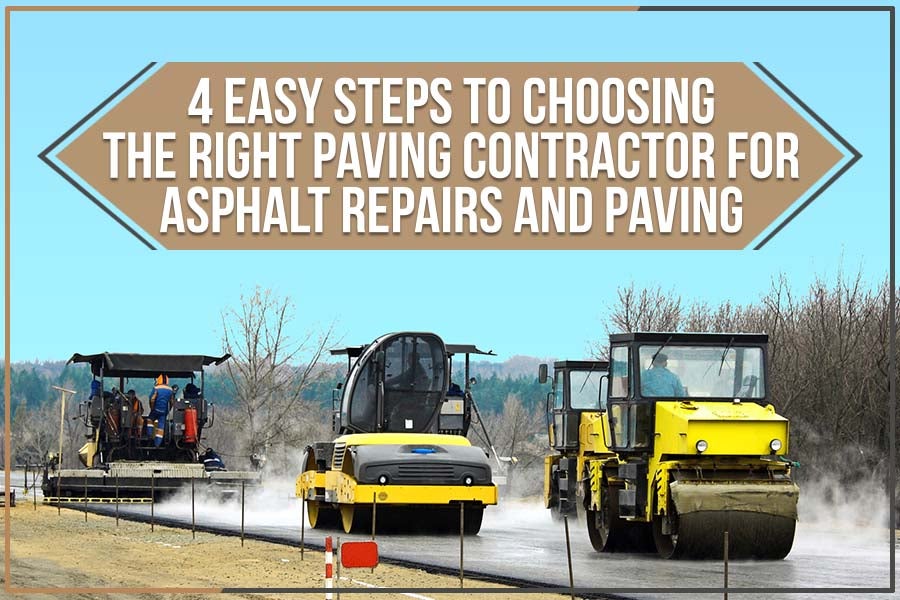
4 Easy Steps To Choosing The Right Paving Contractor For Asphalt Repairs And Paving

Paving contractors are not hard to find; however, finding the right one for your project requires some effort. Paving-related jobs, whether it is pavement installation, repair, or maintenance, can be expensive. Therefore, it is in your best interest to find a professional contractor who can deliver excellent results eliminating the need for rework.

This blog post will go over four factors you should know to identify the right contractor, so read on!

1) Get Competitive Quotes

You must first talk to at least three to four different contractors and see what they give you in terms of pricing, guarantees, warranties on products used, etc.

However, you should avoid shortlisting prospective contractors based on the lowest bid offered. You should also discuss their pricing for the work, not just a per square foot cost. Some contractors provide rock bottom prices and skip some necessary details that are later added to the bill, much to your surprise.

2) Past Experience

It would help to interview prospective contractors to determine how many asphalt paving jobs they have completed in the past. You must ensure that your contractor has experience with other projects similar to yours so that there's less likelihood of mistakes and delays occurring. Professional contractors like Affordable Sealing and Striping in Fort Collins will not hesitate to provide you with many references.

For example, if asphalt overlays are needed in addition to new paving, then make sure that the prospective contractor has experience doing such jobs.

3) License and Insurance Coverage

Ensure that the contractor has all of their necessary licenses and insurance coverage. An accident of an uninsured worker is the last thing you need when carrying out asphalt paving. Checking licenses can also ensure that there will not be any delays with installation because government agencies may stop contractors without a valid license from working until they complete all paperwork. This means more delays for you!

4) Check References

If you want to ensure that they deliver good quality work, ask for their references and check them out thoroughly.

If they have several satisfied customers in your area who are willing to give positive feedback on how well the team performed asphalt repairs or paving projects, you should feel comfortable proceeding with the project. You can also check for social media reviews.

Residents of Fort Collins can now get their asphalt paving and maintenance done at an affordable price thanks to the premium quality services which Affordable Sealing and Striping offers. With years of experience in the pavement industry, we ensure our customers enjoy the full range of our services. Get a free estimate from our team now and enjoy a durable new pavement at an affordable price.
Posted in:

Related Posts

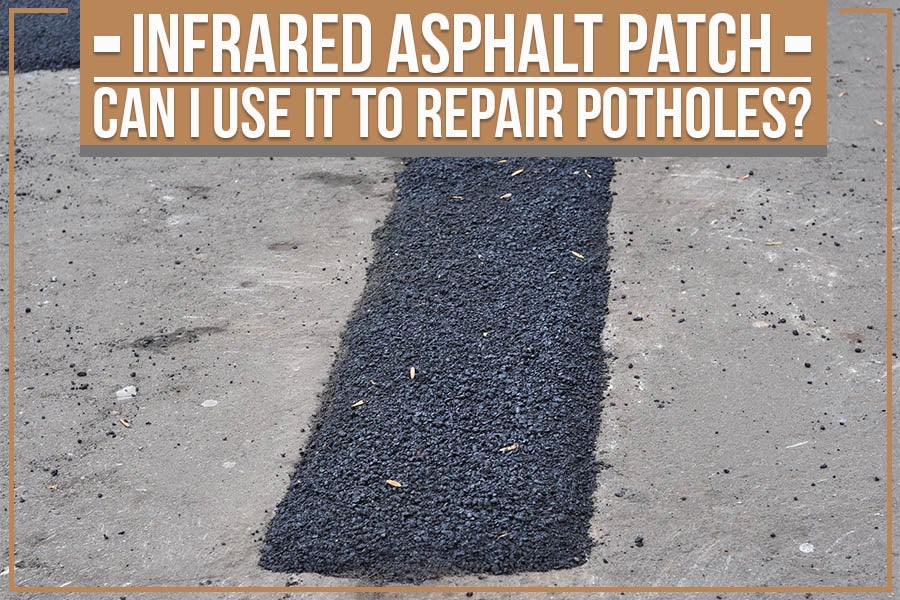
Infrared Asphalt Patch: Can I Use It To Repair Potholes?

Key takeaways: Potholes are ubiquitous and can cause many problems for drivers and pedestrians. Infrared asphalt patching is a type of hot mix asphalt patch that uses infrared technology to reheat existing pavement so that new hot mix asphalt can be added more easily without removing the damaged surface layer. The infrared process removes the seams, resulting in a much stronger and longer-lasting repair than traditional cold or hot mix methods. This method of asphalt restoration is less expensive since it requires fewer raw ingredients. Infrared repair is also faster than other types of repairs since it requires less time to patch. We've all seen it before. You're driving down the road calmly when suddenly—THUD!—you hit a pothole. Or, maybe you're walking down the street and see someone driving too fast and recklessly swerving to avoid a pothole, only to hit another one a few feet away. Potholes are ubiquitous and can cause many problems for drivers and pedestrians alike. So, what's the best way to fix them? Well, there is a new technology called infrared that is said to be a quick and easy way for asphalt patching to repair potholes. But does it work? Let's take a closer look. Asphalt Patching 101 Patching is filling in holes or cracks in your asphalt surface. There are two main types of patching: cold patching and hot mix patching. Cold patching is a quick and easy way to fix surface defects. It involves using pre-mixed asphalt to fill in the holes or cracks. Cold patching is best for small defects or when you're in a hurry. In contrast, hot mix asphalt patching requires combining dry aggregate with an emulsified mixture before being placed onto the pothole or crack and then compacted with a heavy roller. Hot mix asphalt generally provides a stronger, more durable repair than a cold patch. Still, both methods can be used depending on the size and depth of the pothole and other factors such as temperature and time constraints. Infrared Asphalt Patching - The Next Level It uses infrared technology to reheat existing pavement so that new hot mix asphalt can be added without removing the damaged surface layer. This method produces a seamless repair that bonds the old surface with the new hot mix layer. That results in a much stronger and longer-lasting repair than traditional cold or hot mix methods. Can I Use an Infrared Asphalt Patch To Repair Potholes? Yes, you can use an infrared asphalt patch to repair potholes. Innovative equipment uses infrared heat to soften the asphalt surface in potholes so that it may be worked with in temperatures as low as zero degrees. The basic idea is to employ an infrared heating device to safely soften in-place asphalt to a usable state, then add fresh asphalt that melts smoothly to the old. It is unlike the traditional saw-cut approach, which involves cutting off a square of damaged asphalt, removing it, and replacing it with fresh asphalt. The infrared process removes the seams that quickly deteriorate such patches. Thus, the feathered connecting of the new patch material to the surrounding pavement provides a significant benefit - no seams and water infiltration. Rainfall can seep through saw-cut seams, causing moisture and freeze/thaw damage to the patch. Every year, several of these patches must be replaced. On the other hand, Infrared-patched potholes have been known to last up to 5 times longer than potholes repaired with traditional methods! A Step-By-Step Process for Pothole Repair Using an Infrared Asphalt Patch: First, the pothole is cleaned out (this step is critical – if it's not done right, the patch won't adhere properly and will quickly fail). Next, position the infrared machine on the repairing pothole for seven to ten minutes. Turn off the heater and rake the softened (350°F) asphalt. Incorporate a rejuvenator to replace light oils that have oxidized. Add a tiny bit of new asphalt and level it with a lute. Compact and bond the repair with the surrounding pavement using a vibratory roller. Within 20 minutes, the patched section is ready for traffic (depending on size). Paving contractors choose infrared asphalt repair for patching and interim repairs to existing asphalt. It's especially beneficial for repairing asphalt pavement damaged by drainage concerns. Drainage difficulties can cause dips and pools of water on paved surfaces, which infrared asphalt repair may correct. It's also helpful in placing different asphalt characteristics like speed bumps and rumble strips. Although it cannot be employed in every application, it offers significant advantages as a solution in specific situations. What Is the Cost of Infrared Patching? The infrared asphalt repair process is considerably more cost-effective than other traditional methods. When factoring in the time and money saved by not having to close off sections of a parking lot or roadway and the materials used, infrared asphalt repair is the superior choice. This technique can also be completed in a shorter time frame than other methods, which reduces traffic congestion and disruptions to businesses. Here Are A Few Things to Consider When Selecting Infrared Patching: It should not be used on large networks of alligator, block, or fatigue cracks. It is simply a temporary solution to paving concerns; after a certain time, any asphalt will deteriorate and require thorough replacement. It will not fix exposed potholes, which necessitate the removal of the surface surrounding the hole. It will not restore asphalt surfaces that have been sealed with specific compounds, such as coal tar. It is not advised to repair cracked asphalt. Because infrared asphalt restoration is currently a surface-only treatment, it may wreak havoc on deteriorated sub-surfaces. It is unsuitable for oxidized or raveled asphalt surfaces since the new asphalt will not adhere to the old structure. Ending Note: While some disadvantages are associated with infrared patching, this method is generally less disruptive. It requires no new material and can be completed more quickly. Additionally, this method can be used in almost any weather conditions—a major advantage over traditional patching methods, which can only be performed during dry weather. If you decide to go with infrared asphalt patching, hire a professional contractor with experience with this type of repair. Affordable Sealing & Striping, Inc can help! We provide excellent infrared asphalt repair services in Laramie, WY. We employ this technology to fix all potholes and other pavement hazards that endanger cars and pedestrians. Get a free estimate today!

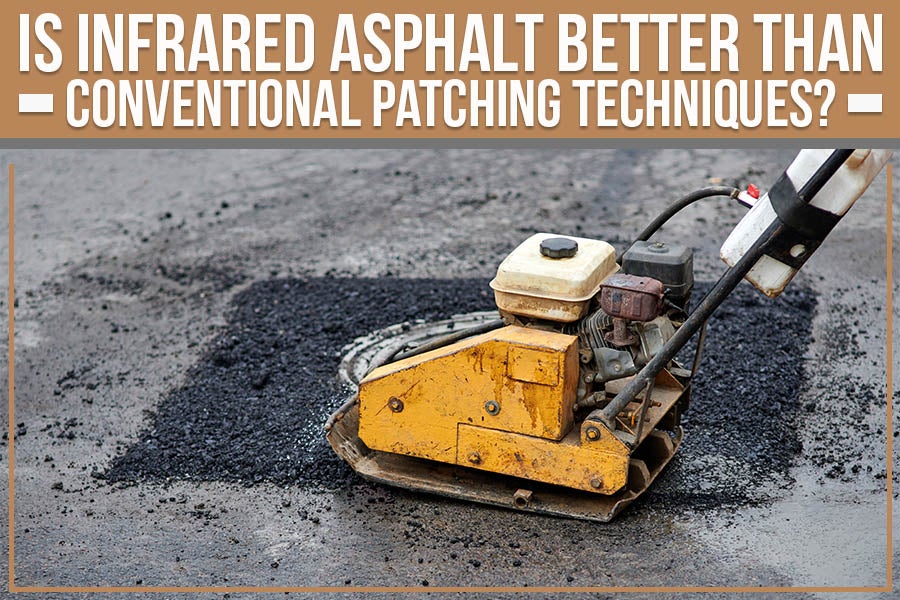
Is Infrared Asphalt Better Than Conventional Patching Techniques?

Key Takeaways Traditional asphalt patching involves excavating the damaged area, which can be time-consuming and expensive. Infrared patching is a quick & easy way to fix small cracks and surface-level damage. Infrared patching is not a permanent solution and cannot fix more severe problems. Whether or not to use infrared asphalt patching comes down to cost and whether you think the benefits are worth the investment. No one likes potholes, but they can be incredibly frustrating when they appear in your driveway or parking lot. They are a hazard and cause about $3 billion in damage to car owners in the U.S. each year. If you're not careful, these pesky little craters can cause some severe damage to your property. So what is there to fix them? Affordable Sealing & Striping, Inc suggests asphalt patching as the best method for fixing potholes. When it comes to repairing asphalt, a few different techniques can be used. Some people opt for the traditional methods, while others may try something more innovative, like infrared asphalt patching. So, which is better? Let's explore infrared patching in depth to learn its pros and cons. Overview of Asphalt Patching Techniques You may wonder what that even is when you hear the term "Infrared" asphalt patching. Don't worry; this isn't some sci-fi method that involves radiant heat down from space to fix your asphalt. It's a pretty simple process that can produce some great results. Let's go over what both asphalt patching techniques are: Conventional Asphalt Patching Conventional asphalt patching techniques involve digging out the damaged area, filling it with new asphalt, and then compacting it. Although it is an effective technique, the process is time-consuming and disruptive. Infrared Asphalt Patching It is a relatively new method for patching asphalt. This method uses a machine to heat the damaged area so that new asphalt can be added. The heat creates a stronger bond between the old and new asphalt, which results in a patch that is as strong as the rest of your pavement. It is less disruptive because it doesn't require digging the damaged area. It's also a faster process, so you can return to using your pavement sooner. Infrared Asphalt Patching: Pros and Cons You might understand how infrared patching works, but is it effective? Let's look at some pros and cons to help you decide. Pros of Infrared Patching 1. Stronger Bond Formation with Old Asphalt Surface: Because the process heats the old surface, it creates a stronger bond with the new asphalt. It results in a patch that is as strong as your pavement and less likely to fail. 2. Faster It is a relatively fast process compared to conventional asphalt patching. Once the area is prepped, the repair only takes a few minutes. Traditional methods can vary from a few hours to several days, depending on the weather and road conditions. 3. Seamless Repairs The infrared process fuses the new asphalt with the old, seamless repair. It is opposed to the cold patch method, which often leaves a noticeable "seam" where the old and new asphalt meet. 4. All-Weather Capability Infrared patching can be performed in nearly any weather condition, hot or cold. Traditional methods are usually limited by temperature and often cannot be done in freezing temperatures or during rain showers. 5. Cost-Effective Solution Since the repairs are seamless and robust, they last longer, which saves you money in the long run. In addition, the speed of the repairs means that you can open up your road or parking lot to traffic much sooner, saving you money. 6. Precision Repairs The infrared process allows for exact repairs. It is especially beneficial when repairing potholes. The infrared machine can heat and improve a specific area without disturbing the surrounding pavement. 7. Minimal Disruption Since no new asphalt needs to be laid down, there is minimal disruption to traffic flow. In addition, there is no need for heavy equipment or a large crew, which further minimizes disruptions. 8. Ecologically Friendly The infrared process is much better for the environment than traditional methods. There is no need for new asphalt, which means less environmental damage during the repair process. Cons of Infrared Patching 1. Cannot Fix Complex Cracks Despite its many advantages, infrared patching is not a silver bullet. It is best suited for small to medium-sized asphalt repairs. Complex cracks or large potholes will still need to be fixed with traditional methods. 2. Temporary Fix Although it offers a quick fix, it is not a permanent solution. The asphalt will still need to be replaced eventually. 3. Can Only Fix Surface Level Cracks Infrared patching can only fix surface-level cracks. It cannot reach the deeper layers of asphalt to repair more severe damage. Is Infrared Asphalt Patching Worth It? It remains to be seen if infrared patching is worth the investment. There are many factors to consider when deciding whether or not to do it. Its advantages include fixing small cracks and surface-level damage quickly and easily. However, it is not a permanent solution and cannot fix more severe problems. Ultimately, the decision comes down to cost and whether or not you think the benefits are worth the investment. Infrared patching is an excellent option if you need a quick fix for small cracks and surface-level damage. But solving more complex problems will require a different solution. Weigh its pros and cons before deciding on your next repair project. Also Read: Asphalt Infrared Repair: Making Your Mark In Sustainable Consumption Final Note In conclusion, the choice between infrared patching and traditional methods depends on the situation. Infrared patching has advantages, but it might not be the best solution for every repair job. Be sure to consider all the options you have before making a decision. Affordable Sealing & Striping Inc is the company to trust if you need commercial or residential repair. We always use the latest technology and methods to provide our customers with sustainable and budget-friendly solutions. We offer infrared asphalt repair as an affordable pavement maintenance option to clients in Cheyenne, WY. Get in touch with us today to get a free estimate.

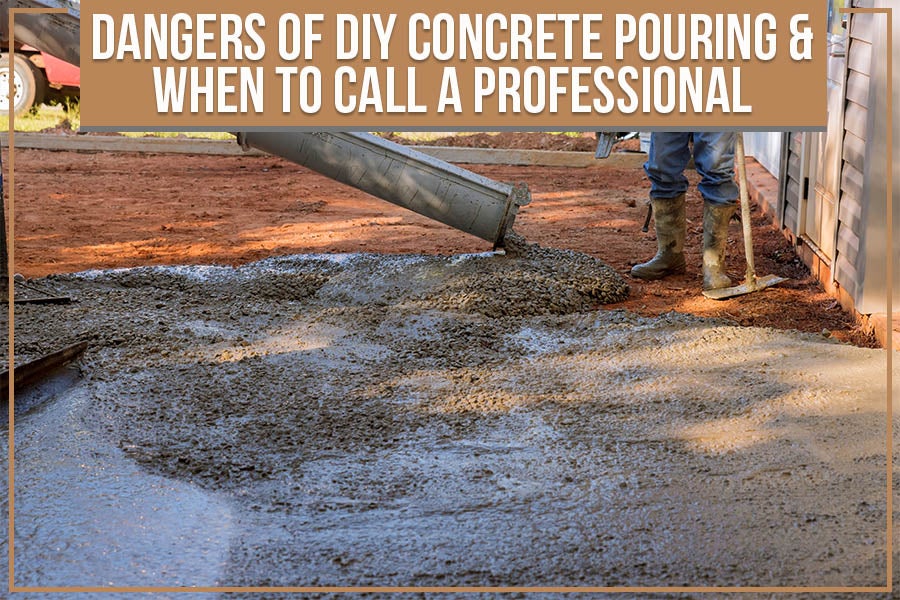
Dangers Of DIY Concrete Pouring & When To Call A Professional

Key Takeaways 1. Concrete is an excellent material for many projects. Still, it's essential to be aware of the risks involved in using it. 2. DIY concrete can be dangerous. 3. Mixing, pouring, and working with concrete is a risky exercise. 4. You might lack the proper skills, tools, or experience. 5. If you're not comfortable taking on a concrete project, it's best to call a professional. 6. They can help you avoid mistakes and ensure that your project turns out perfectly. We've all been there. We see a job that needs to be done and decide to take it on ourselves rather than hire a professional. Maybe we're trying to save money or think we can do it better. But in many cases, DIY projects can cost you more time and money than if you had just hired a professional in the first place. The same can be said about concrete pouring! There's no doubt that concrete is a strong and durable material. It can create a smooth and long-lasting surface for your driveway or parking lot when it's poured correctly. Some people might think they can do it themselves when it comes to this job. After all, how hard could it be? However, DIY concrete pouring can be very dangerous if not done correctly. If you’re not experienced, it's best to call a professional. Affordable Sealing & Striping, Inc discusses some of its pitfalls in this article. The Risks of DIY Concrete Pouring Risk #1: Not Mixing the Concrete Correctly One of the biggest dangers of DIY concrete pouring is not mixing the concrete correctly. The water-to-cement ratio has to be just right for the concrete to set correctly. If there's too much water, the concrete will be too runny and not set correctly. On the other hand, the concrete will be too dry and not set if there's insufficient water. A professional concrete company will have the experience and knowledge to mix the concrete correctly, so you don't have to worry about it. Risk #2: Incorrectly Pouring the Concrete Another big risk of DIY concrete pouring is incorrect pouring. If you don't pour the concrete evenly, it can create weak spots, eventually leading to cracks. Not only are cracks in sidewalks and driveways unsightly, but they can also cause trip hazards. You don't want that on your real estate property. A professional pavement contractor will have the experience and equipment to pour the concrete evenly, so you don't need to worry about weak spots or cracks. Risk #3: Not Allowing the Concrete to Cure Properly Concrete curing is another risk to going DIY. Curing is an important step because it helps the concrete set evenly and prevents cracks. Excessive or insufficient curing can both lead to problems. If you don't allow the concrete to cure properly, it can shrink unevenly and develop cracks. On the other hand, if you over-cure the concrete, it can become too hard and difficult to work with. Either way, it's best to leave this step to the professionals who know how to allow the concrete to cure correctly. Risk #4: Not Considering the Weather Conditions The weather is another factor to consider. If you pour concrete in hot weather, it can cause the concrete to set too quickly. Pouring it in cold weather can cause it to take longer to set. A professional pavement contractor knows what precautions to consider for every weather condition. Risk #5: Not Using the Right Tools You can't expect such a project to go smoothly if you don't have the right tools. Simple concrete pouring requires a few tools, but if you want a professional finish, you'll need several specialized tools. You can't just have the right tools - you need to know how to use them correctly. The best way to get quality work is by hiring a professional. Risk #6: Not Cleaning Up Properly Concreting is a messy job; if you're not careful, it can get everywhere. Not only is concrete challenging to clean up, but it can also be dangerous. If you get concrete on your skin, it can cause burns. Such a project requires taking proper safety precautions and wearing suitable clothing. If you're not comfortable getting dirty, it's best to leave this job to the professionals. Risk #7: Not Following Instructions Concrete is a very finicky material. When working with concrete for the first time, it is advisable that you stick to the directions. Otherwise, a small error could lead to big problems down the road. If you're unsure how to work with concrete, leaving the job to an experienced professional is always the best bet. Also Read: Repair or Replace: Signs Your Concrete Pavement Needs Attention When to Call a Professional Concrete is an excellent material for many projects. Still, it's important to be aware of the risks involved in using it. If you're debating on whether or not you should take on a concrete project, weigh the pros and cons. If you have doubts about your abilities, it's always best to consult with or hire a professional. They'll do a much better job and also prevent you from making common mistakes. Conclusion Ultimately, it's up to you to decide whether or not you want to hire a professional for your concrete project. If you're comfortable working with concrete and feel confident in your abilities, then DIYing may be the way to go. However, if you're unsure of yourself or are working on a large-scale project, it's best to hire an experienced concrete professional. They can help ensure that your project turns out exactly how you envisioned it. Get Help from a Professional Pavement Contractor in Estes Park If you own a driveway or parking lot and require concrete /asphalt s e al coating or patching services, hire a professional contractor from Affordable Sealing & Striping, Inc. serving Estes Park, CO. We provide high-quality and durable services that will increase the lifespan of your pavement. Our team is experienced and knowledgeable, so you can trust them to do the job right. Get in touch today to learn more about our services.